Wellbeing
The capacity to thrive
Experiencing connection, purpose and achievement can strengthen self-belief and help young people feel more capable, valued and hopeful.
The unique environment of a residential adventure at sea creates multiple opportunities for personal discovery and lasting change.

On a sail training voyage, young people become part of a crew with a shared purpose: sailing the vessel and looking after one another. They take on responsibilities that matter, encounter challenges they cannot predict and discover how much they can achieve together.
Learning happens throughout the experience – on watch, around the dinner table and in the everyday decisions involved in living onboard. Supported by experienced sailing staff, young people have opportunities to discover their capabilities and reconsider what they believe about themselves.
Our Theory of Change explains how this experience can lead to greater wellbeing, wider engagement and improved skills for life and work, and how these discoveries can influence what young people do next.
Cirdan Sailing Trust
The multi-day, residential setting at sea brings these foundations together in a uniquely concentrated, continuous experience.
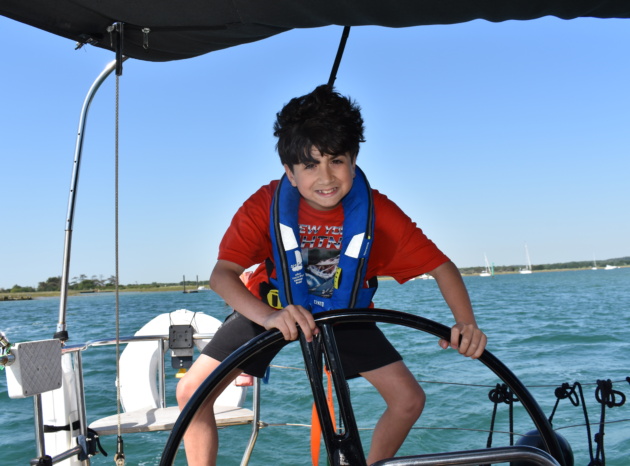
Discovering what they can do
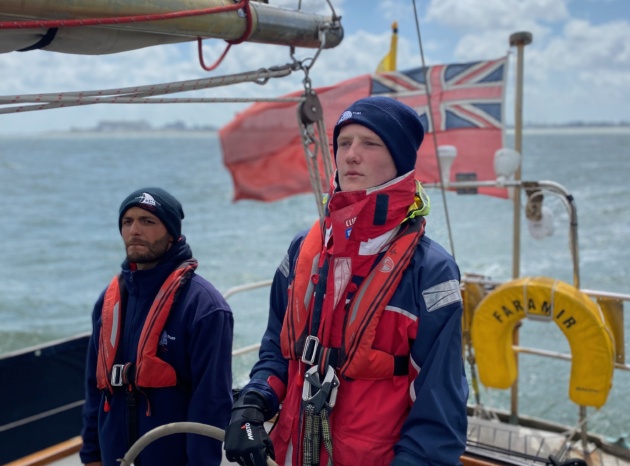
Knowing that their contribution matters
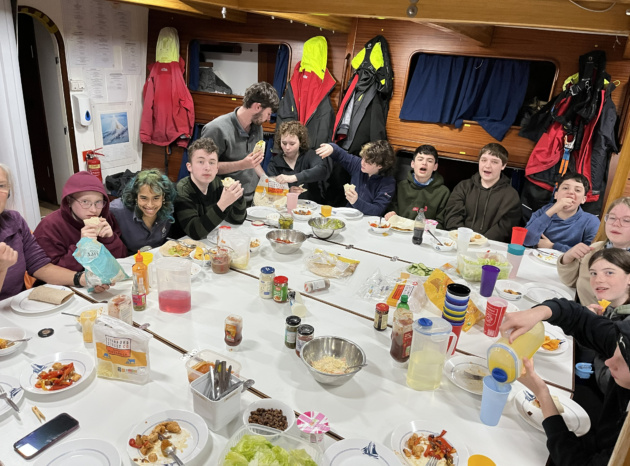
Finding a place and learning together
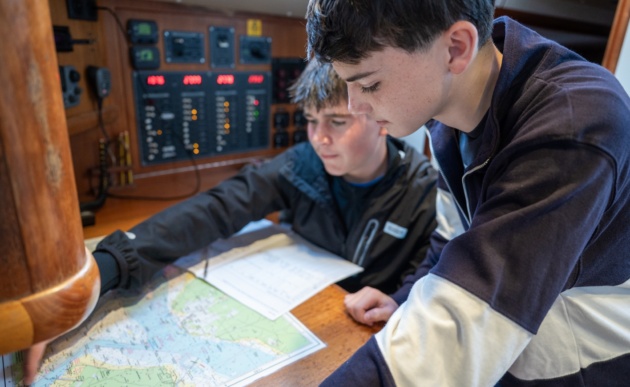
Challenge looks different for everyone. For one young person, it might be climbing up the mast, mastering knots or learning to navigate using a chart. For another, it could be spending their first night away from home, asking for help or joining in with people they do not know.
Adventures at sea provide practical tasks and unfamiliar situations, with support appropriate to each participant. Young people can try, make mistakes, adapt and try again.
Progress gives them evidence of their own capabilities. Something that initially felt difficult becomes something they have done – an experience they can reflect on when facing their next challenge.
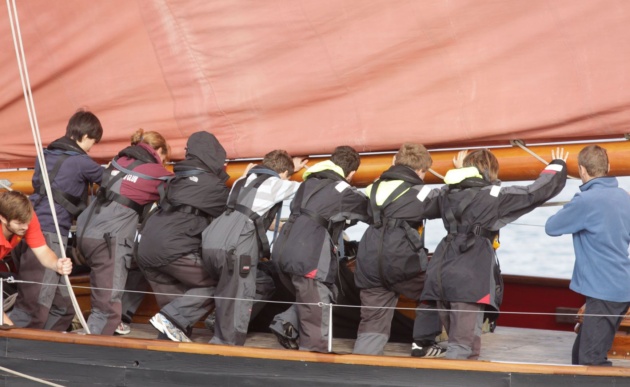
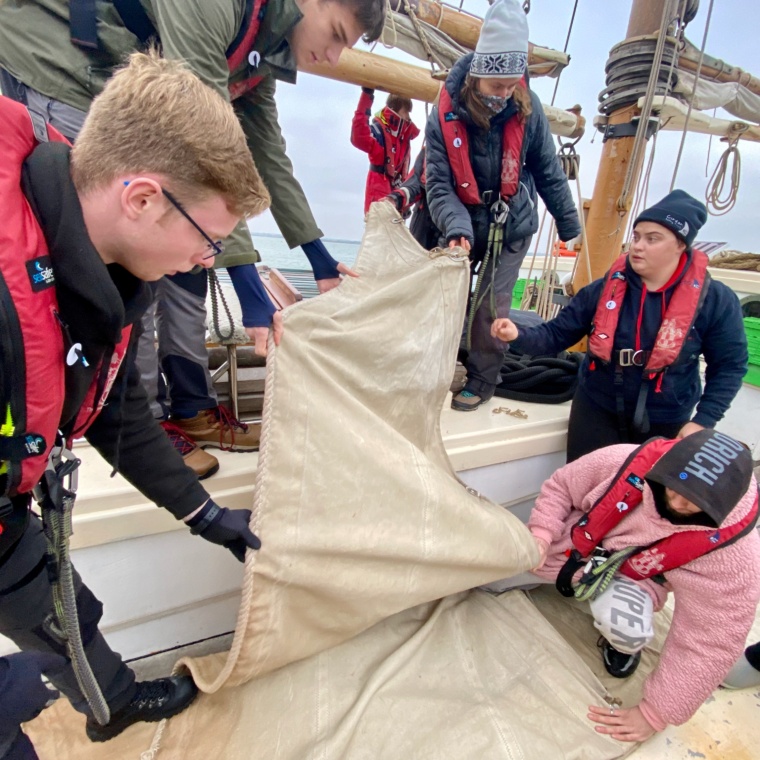
Keeping lookout, recording the voyage in the logbook, preparing a meal or helping to set a sail all serve a real purpose. These tasks contribute to the operation of the vessel and the wellbeing of the crew.
Young people are trusted with meaningful responsibilities, appropriate to their experience and abilities, under the supervision of qualified staff. They can see the results of their actions and understand how others depend on their contribution.
Being trusted can change how someone sees themselves. They have opportunities to exercise judgement, take initiative and experience being a capable, valued member of the crew.
A residential voyage means sharing much more than sailing tasks. Young people eat together, keep shared spaces tidy, work in watches and support one another through unfamiliar experiences.
Living alongside others creates opportunities to recognise different strengths, negotiate disagreements and learn when to offer or ask for help. Staff model supportive relationships and help everyone find ways to participate.
Shared achievements can build connection and belonging. Young people experience what it means to contribute to a community, and to have that community support them in return.
Our model identifies four “accelerators” that can deepen the opportunities for learning and discovery.




The learning continues even when the sailing stops. Preparing dinner, getting ready for a night watch and sharing limited space with other people, all offer further opportunities to practise communication, responsibility and consideration for others.
Over several days, young people have time to revisit challenges, build relationships and consolidate what they have learned. Staff can notice progress across different situations and help participants recognise it too.
The sea is a changing environment. Weather, isolation and unfamiliar tasks can feel daunting, even when risks are carefully managed by qualified crew.
Supported participation gives young people opportunities to experience and respond to uncertainty. They are gently guided to discover that they can cope with situations they initially found intimidating. Reflecting on these experiences can strengthen confidence and resilience.
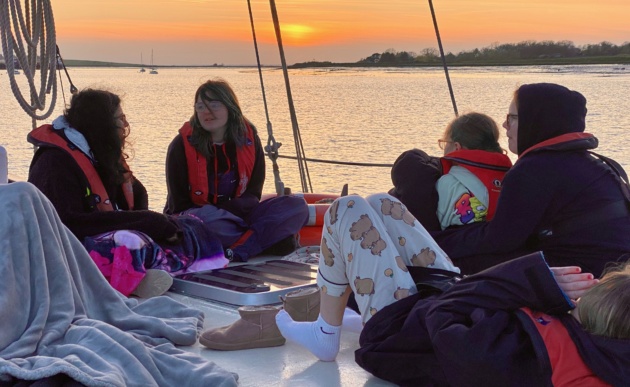
Stepping into an unfamiliar environment can create distance from everyday routines, pressures and expectations. Looking back at land offers a quite literal change of perspective.
Onboard, young people have the chance to see themselves differently. They may discover strengths that have gone unnoticed elsewhere. Peers and accompanying adults can see them differently too — as someone who learns quickly, supports others or steps forward when needed.
Watching a sunrise, seeing dolphins or sharing the satisfaction of reaching a destination can make a voyage emotionally significant.
These intense moments may become reminders of belonging, enjoyment or achievement. With opportunities to reflect, young people can connect what happened with what they learned about themselves, giving them experiences to draw on beyond the voyage.
The activities matter because of what young people can discover through them. Experienced staff encourage participation, recognise progress and make space for reflection, helping participants understand their achievements and consider where else they might use their capabilities. These discoveries connect to three areas of impact:
A growing belief in their capabilities can influence what young people do next: trying something unfamiliar, participating more in learning, approaching relationships differently or pursuing a new ambition.
Reflection helps connect the voyage with life ashore. Where teachers, youth workers or other supporting adults are involved, they can help young people recognise their progress and find opportunities to build on it. Further voyages, volunteering or continued support may offer additional ways forward.
Our model describes how these changes can contribute to longer-term wellbeing, educational engagement, employability and stronger communities. Each person’s journey will be different, shaped by their circumstances and the opportunities and support available after the voyage.
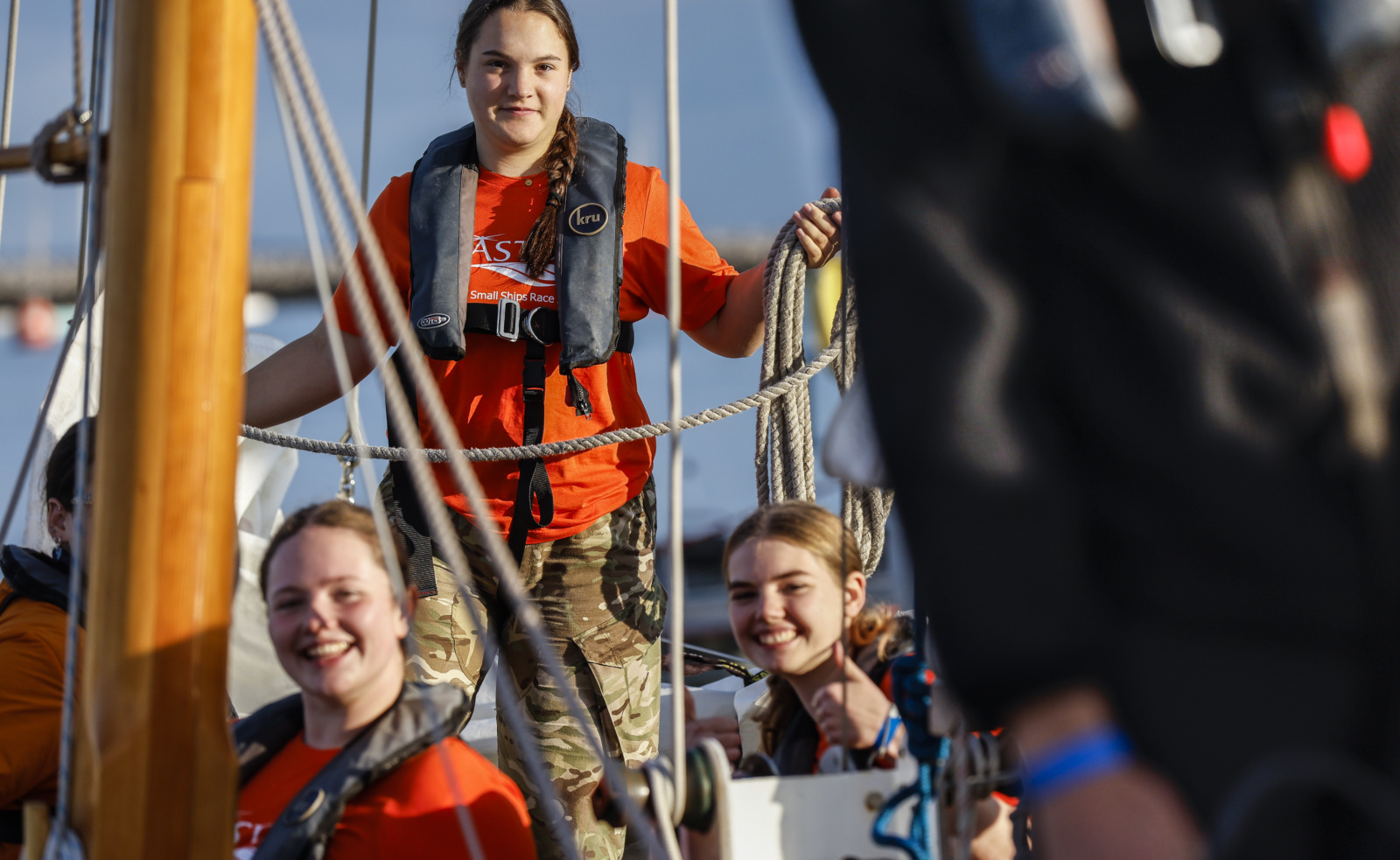
Our Theory of Change shows how a continuous residential experience brings together genuine challenge, real responsibility and shared community. Combined with four “accelerators” that deepen learning and discovery, these conditions create opportunities for young and disadvantaged people to recognise their capabilities and build on them beyond the voyage, supporting wellbeing, engagement and skills for life and work.
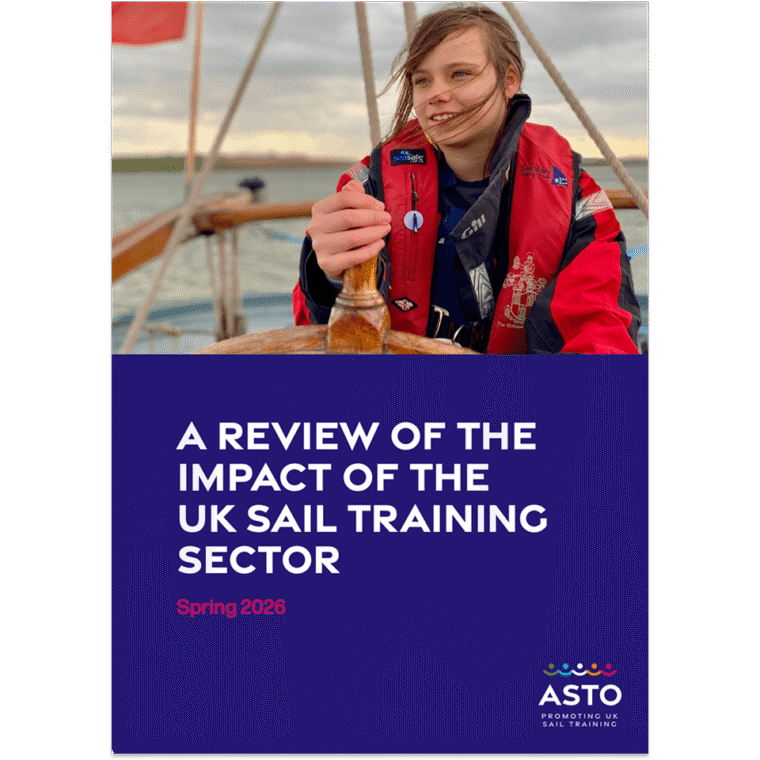
Impact Review
Our 2026 Impact Review brings together research and member experiences to explore sail training’s contribution to wellbeing, including the importance of connection, self-belief and a sense of purpose.
If you commission or fund opportunities for young people, talk to ASTO about supporting skills development through the sector.
If you work with young people in a school, college or youth organisation explore how sail training could complement your provision.