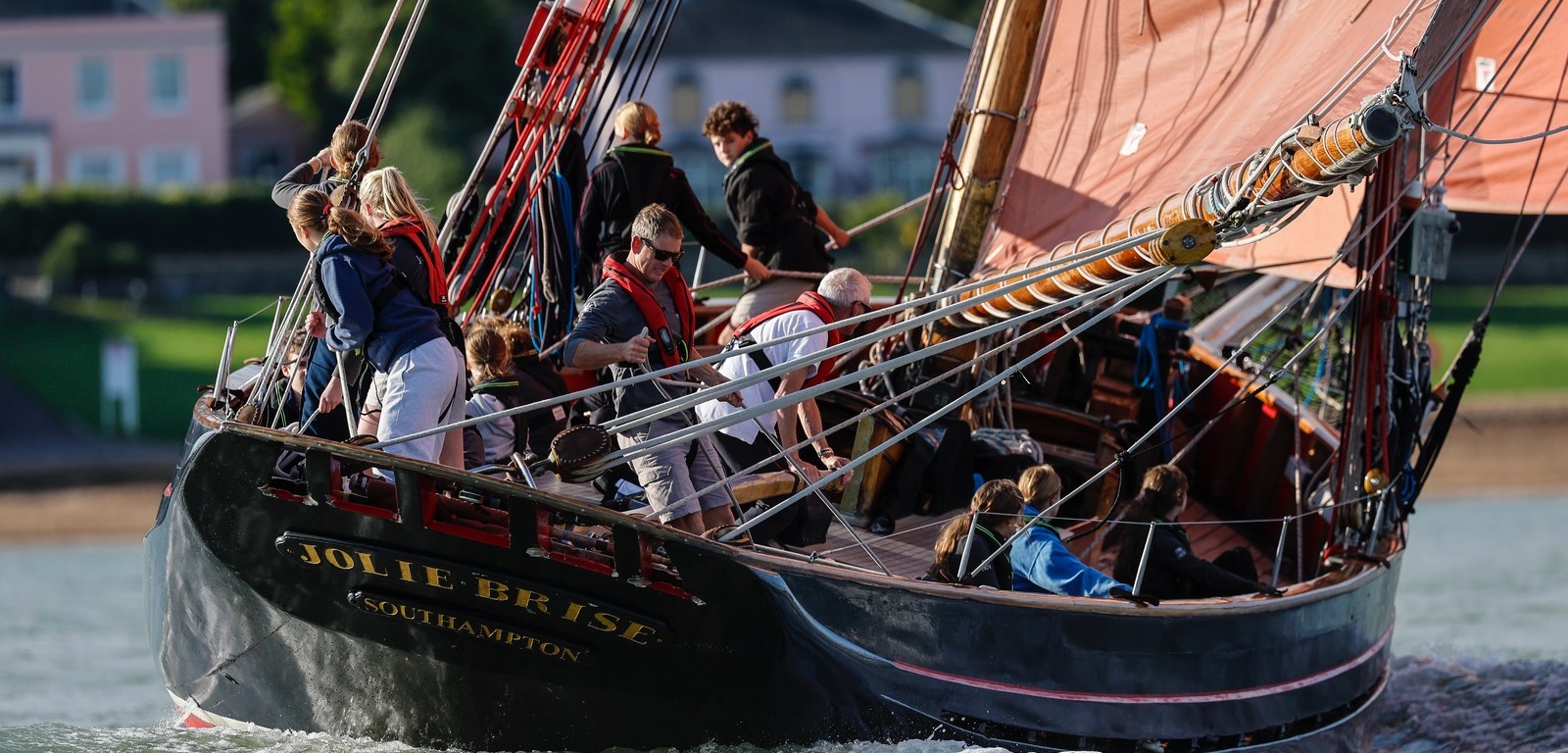
Communication
Listening carefully to instructions, asking questions and sharing information with crewmates clearly is all part of life onboard whether planning a manoeuvre or explaining what they have learned during an end-of-day debrief.
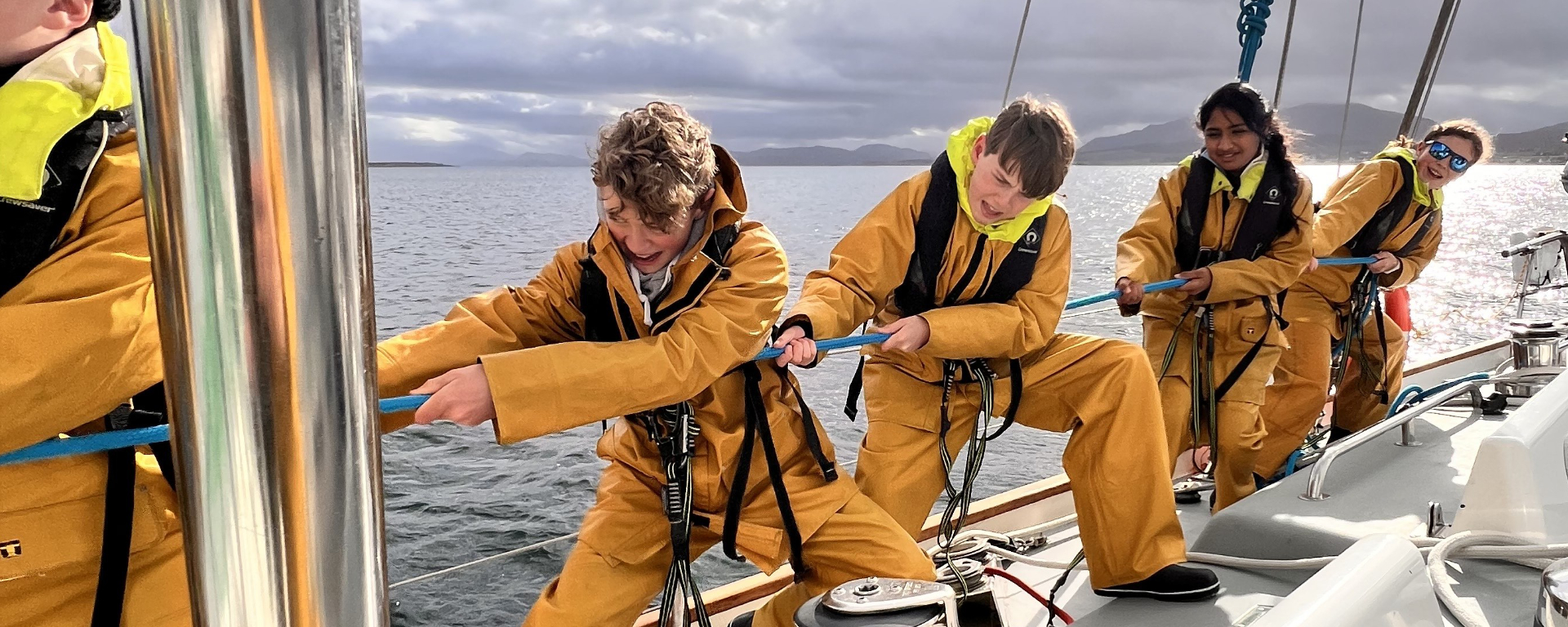
During a residential adventure at sea, young people have opportunities to develop new skills, discover their strengths and build confidence in what they can do.
Sailing a vessel together involves more than planning a route, hoisting heavy sails and steering. It means living together in a confined space, preparing meals for each other, keeping shared spaces tidy, sometimes with people they’ve never met before or people they don’t know very well.
Life onboard requires teamwork, communication, problem solving, decision making, leadership and adaptability – the same skills that help young people navigate relationships, learning, work and everyday situations.
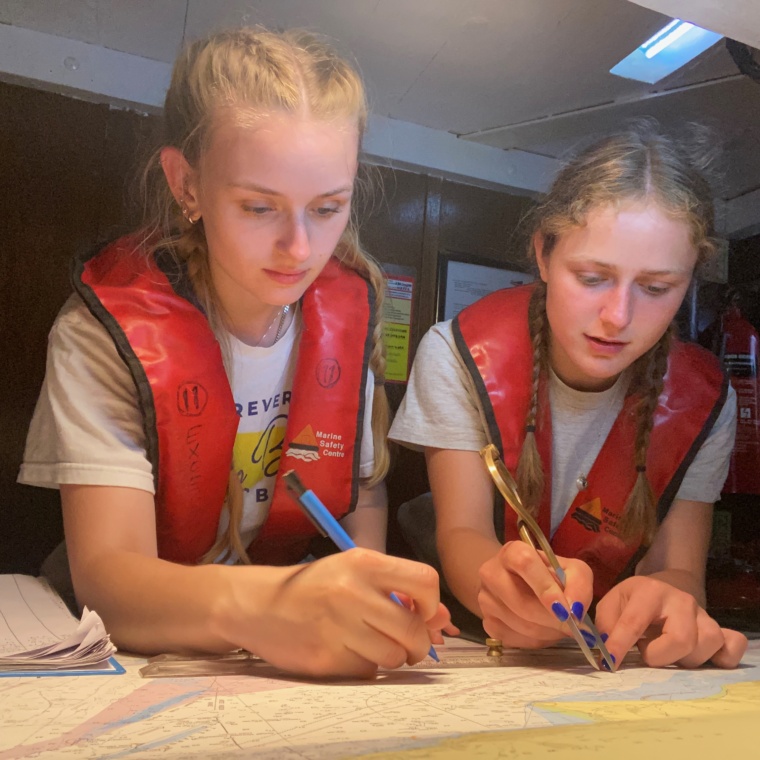
Excelsior Sailing Trust
of industry leaders have seen a decline in soft skills such as communication and teamwork in young people
of young people are concerned that their lack of skills, experience of qualifications will impact their ability to get a job
Worrying numbers of young people in the UK are classified as NEET. Marginalised young people typically face significant barriers to employment, and those from disadvantaged backgrounds and with special educational needs almost three times as likely to be classified as NEET (32).
Employers increasingly report that young people are not prepared to enter the workplace, and consistently highlight the importance of transferable skills to help young people exercise judgement, work with different people and respond to unfamiliar situations (29).
Young people frequently report they do not have the opportunity to develop these skills at school, and feel unprepared for the real world (4).
Experiences beyond the classroom can give young people space to learn about themselves, develop skills for life and work and discover their own capabilities that may go unnoticed in other settings.
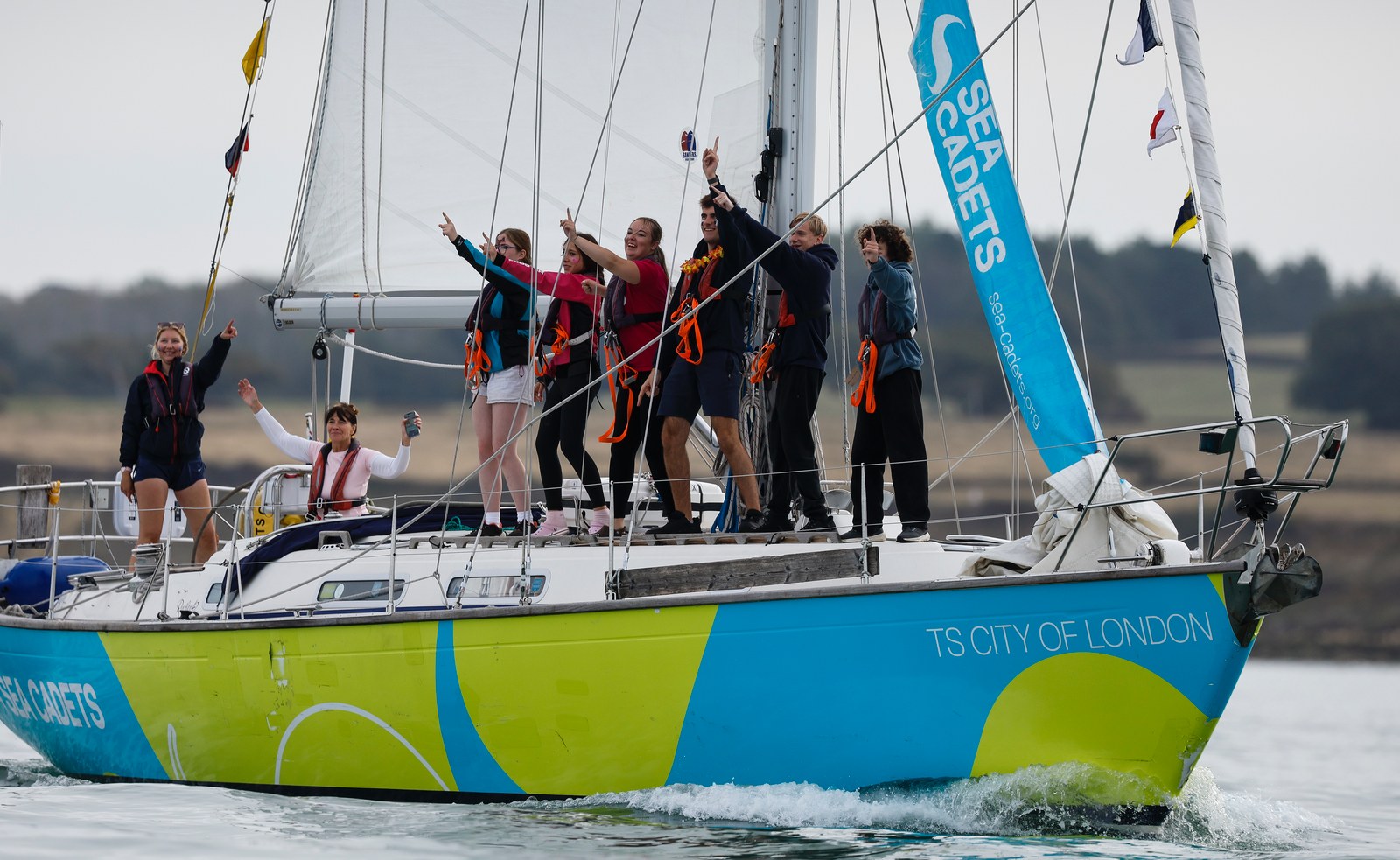
“Before the voyage I was quite apprehensive and I had a fear of large volumes of water. As the expedition went on I became more comfortable and confident, learning to trust the boat and my own capabilities. Working with the crew helped me to focus on teamwork and resilience rather than my fear. By the end of the voyage, my fear had been replaced with pride and a real sense of accomplishment.”
Morning Star Trust Participant
“Sailing with the Ocean Youth Trust lives permanently on my CV.”
Niamh, Volunteer Bosun
From hoisting a sail to preparing a meal, everyday life onboard a sail training voyage offers opportunities to put skills into practice.
Listening carefully to instructions, asking questions and sharing information with crewmates clearly is all part of life onboard whether planning a manoeuvre or explaining what they have learned during an end-of-day debrief.
During a voyage young people learn how to recognise each other’s strengths to work together on big or challenging tasks. They need to coordinate actions and understand how each person’s actions affect the whole crew.
Young people are supported to think through a task, considering options and trying a different approach if the first one does not work.
Weighing information, making choices appropriate to their role and reflecting on the results, with support from experienced staff.
Taking initiative, organising a shared task whether that is preparing lunch or preparing the anchor, and encouraging others helps young people discover that leadership can take many forms.
Adjusting to unforeseen situations, coping with changing weather conditions and learning to work with different people help encourage resilience, perseverance and learning when to ask for help.
If you commission or fund opportunities for young people, talk to ASTO about supporting skills development through the sector.
If you work with young people in a school, college or youth organisation explore how sail training could complement your provision.