History & Hammond Innes
For over seventy years, UK sail training organisations have helped young people discover what they are capable of. ASTO’s history brings together the people who created those opportunities, the benefactors who helped sustain them and a growing commitment to working together.
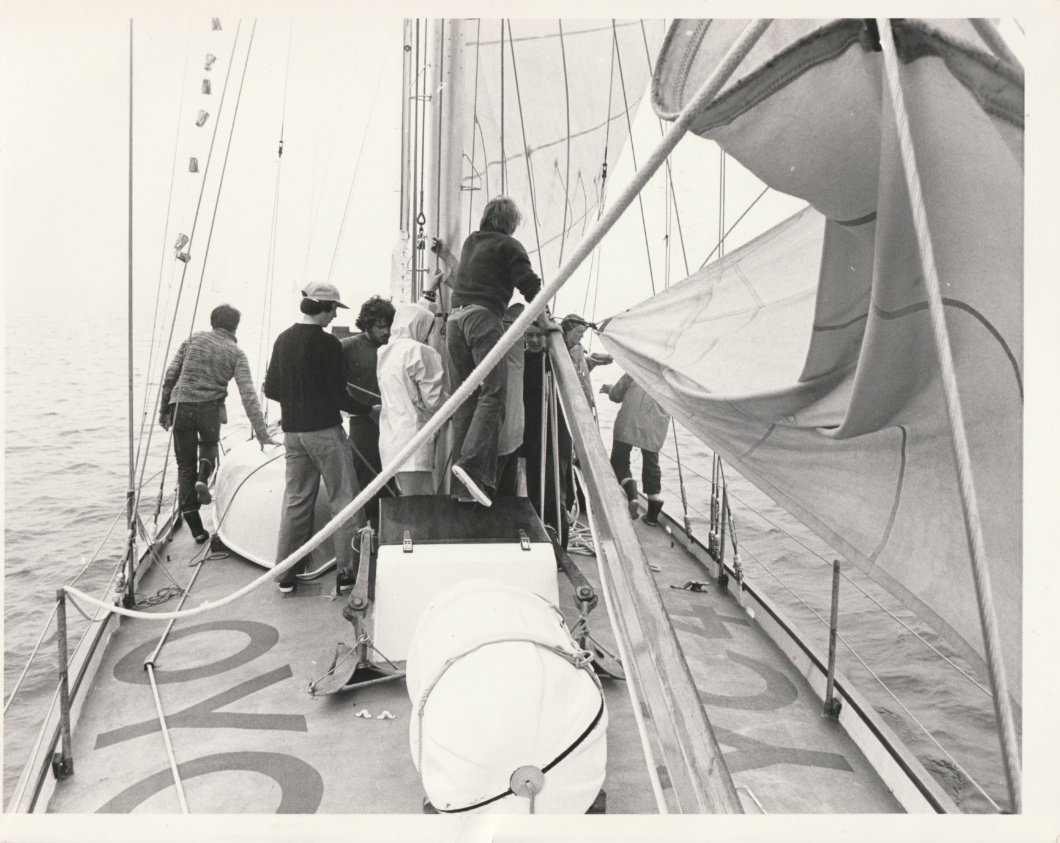
Ocean Youth Club
1960s: Sail Training Gathers Momentum
Modern sail training gathered a formalised momentum in Britain during the late 1950s and early 1960s. The Ocean Youth Club (which later became the Ocean Youth Trust) was founded by Reverend Christopher Courtauld and teacher Chris Ellis, both of whom were keen sailors, boat owners and had been taking young people out for sailing trips for many years.
At a similar time, the then Chancellor of the Exchequer, Lord Amory, also an avid sailor, founded the London Sailing Project, now the Rona Sailing Project, after witnessing groups of sea scouts benefit tremendously from sailing trips he had organised.
The Sail Training Association commissioned two purpose-built schooners: Sir Winston Churchill in 1966 and Malcolm Miller in 1968. As more vessels and organisations emerged, increasing numbers of young people had the opportunity to learn through the challenge, responsibility and teamwork of life at sea.
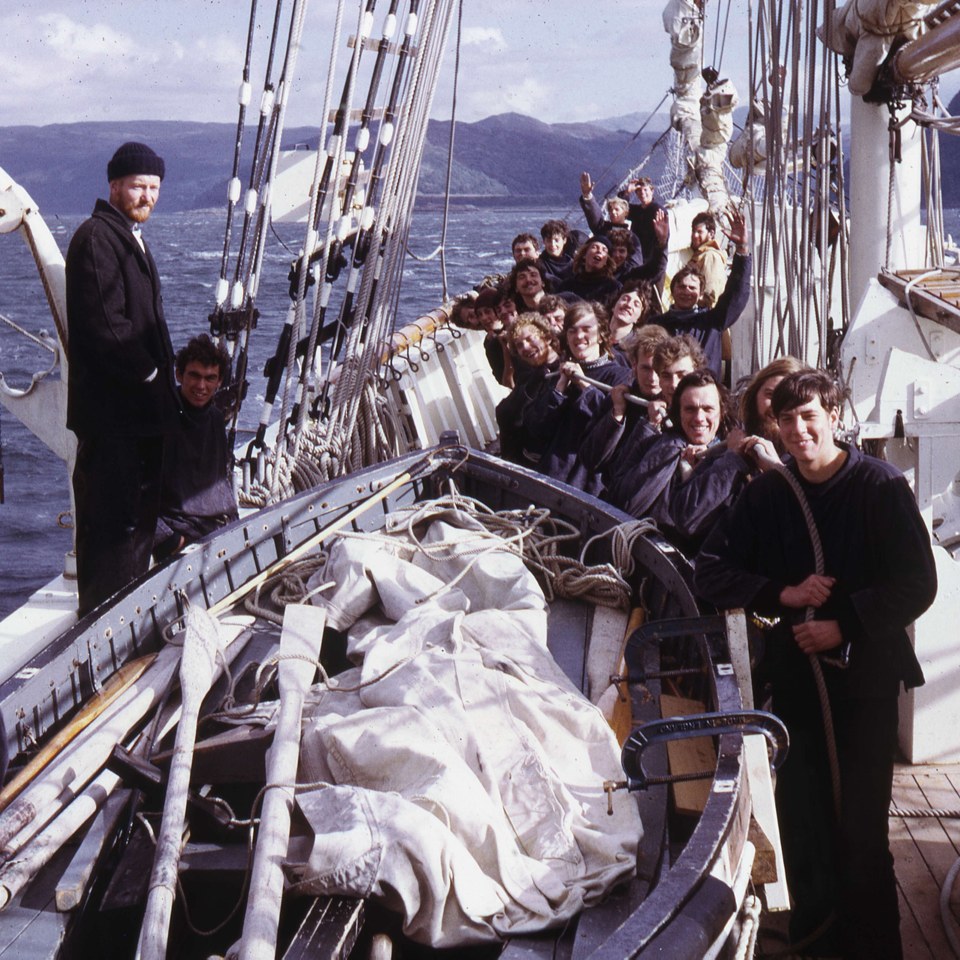
1970s: Coming Together
Wealthy benefactor Lord Dulverton (Frederick Anthony Hamilton Wills, 2nd Baron Dulverton) financed the construction of the 144-foot 3-masted schooner Captain Scott, which launched in 1971 with the stated purpose of taking young people on adventures.
During this period, he noticed there were a growing number of organisations with similar objectives, but operating independently, and felt everyone would benefit from closer cooperation. He began hosting meetings where representatives could exchange ideas about training, safety and crewing.
These gatherings laid the foundations for the Association of Sea Training Organisations. Initially linked to the Royal Yachting Association, ASTO became an independent charity in 1978 with its own governance and charitable purpose.
John H Hamilton was a volunteer with Lord Amory’s London Sailing Project and over the decades served many major roles within Rona Sailing Project, before joining STA as Race Director in the mid-1970s. He recalls ASTO’s early contribution as “the opportunity for member organisations to meet from time to time and cooperate with one another.”
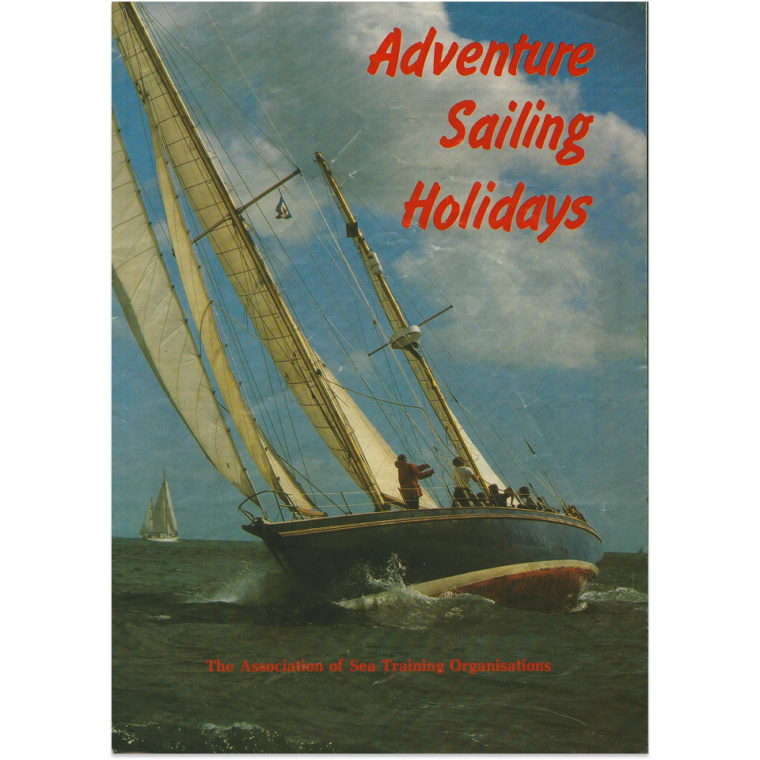
ASTO brochure from 1982
1980s: Building a Shared Voice
ASTO’s resources were modest, but its role was growing. The Dulverton Trust contributed towards its financial future in 1982 and supported its work with the Department of Transport in 1989.
As new vessel regulations developed, ASTO represented its members and explained the distinctive nature of sail training. Young people aboard were neither conventional passengers nor professional crew, and regulations needed to recognise how these vessels operated.
The association was becoming an important link between sail training organisations and the authorities shaping their work.
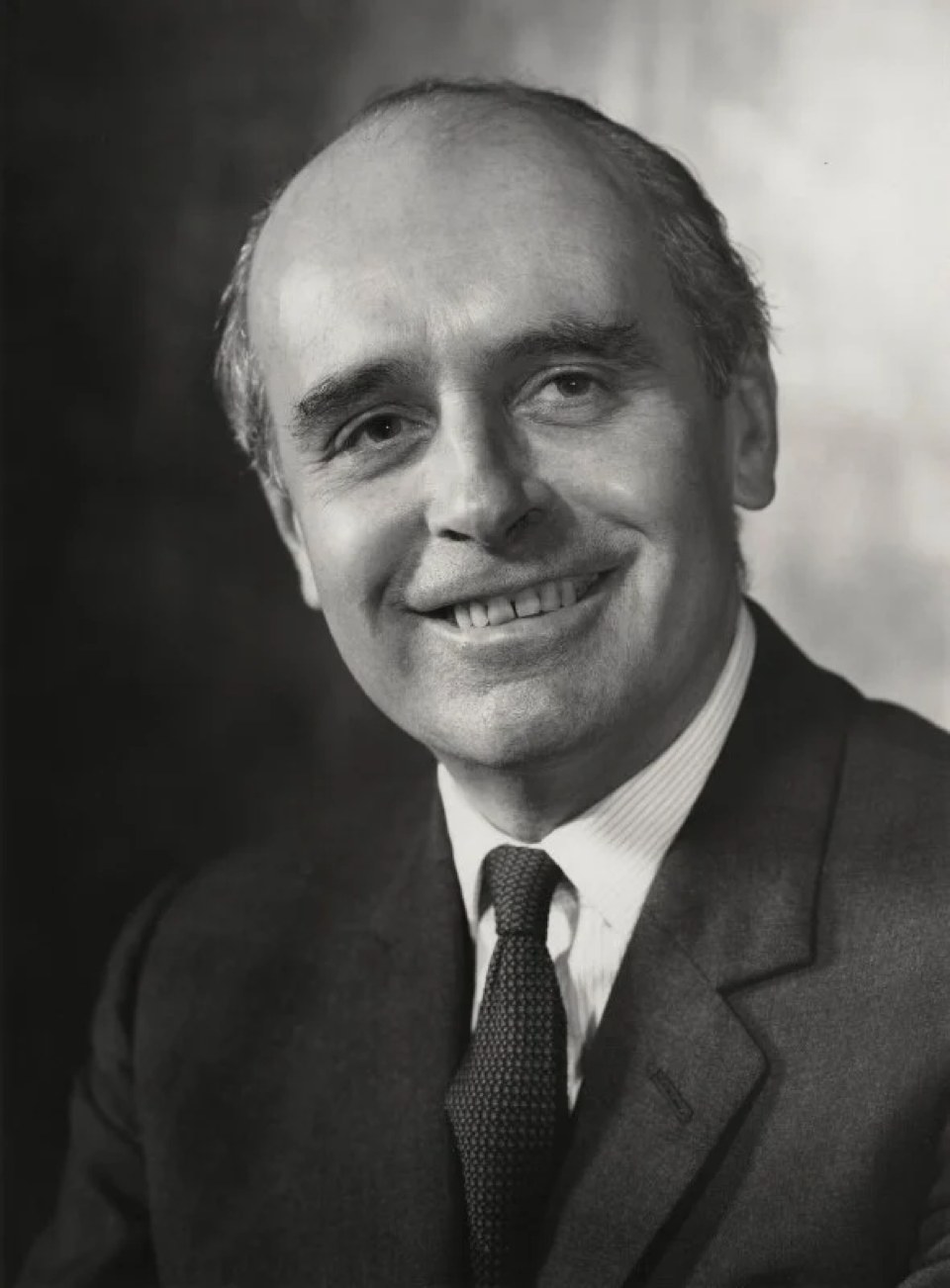
Hammond Innes
1990s: A Growing Role, a Remarkable Legacy
ASTO continued representing members as further vessel regulations were developed. Then, in 1998, a remarkable act of generosity transformed its future.
Adventure novelist Ralph Hammond Innes, CBE was also a passionate yachtsman who sailed widely with his wife, Dorothy. An earlier voyage as purser onboard Sir Winston Churchill, and attendance at an Isle of Man event organised by ASTO, had introduced him to sail training and the difference it could make to young people.
In his voyage report, he described how “boys who had come on board, raw to the sea, moved now with greater confidence.”
That experience stayed with him. He became a longstanding supporter of ASTO, and when he died, he had no children and left the majority of his estate, together with the rights to his literary works to ASTO. His incredibly generous legacy gave ASTO the financial foundation to achieve far more than ever before.
2000s: Turning Generosity Into Opportunity
With a stronger financial foundation, ASTO could employ staff and expand its support for members. Successive Chairs Ron Dadswell and James Stevens, working alongside President Rear Admiral John Lang, helped guide this development.
Grants to member organisations helped support those facing financial hardship to join voyages, while shared standards strengthened the association. ASTO’s Small Ships Races brought organisations and young crews together, and a partnership with maritime charity Trinity House introduced bursaries for training and qualifications for people developing careers within sail training.
In 2008, ASTO modified its name slightly to the Association of Sail Training Organisations.

2010s: Strengthening the Sail Training Community
An annual independent conference, established in 2010, created a regular opportunity for members to share experiences, develop their knowledge and strengthen connections across the sector.
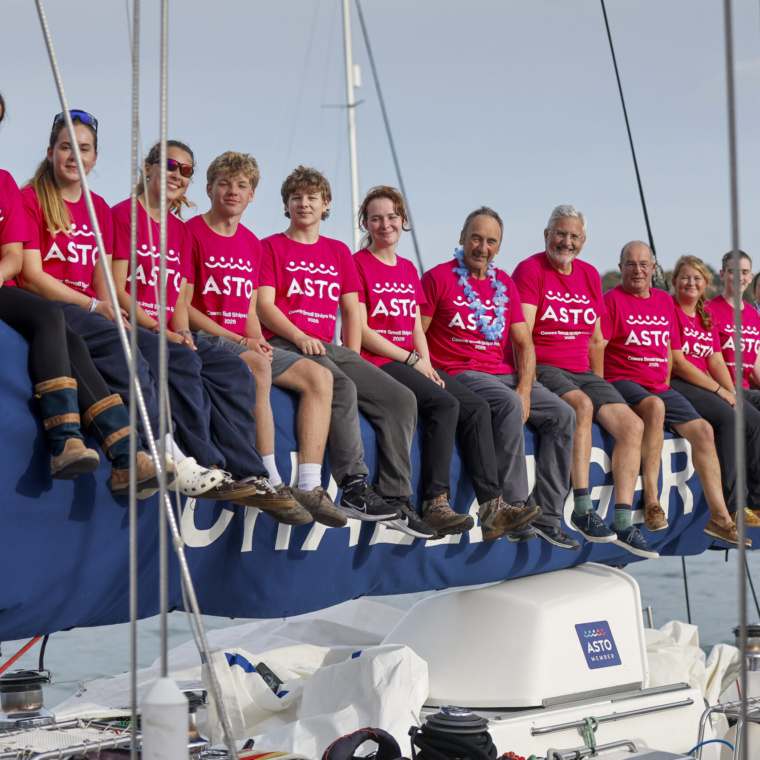
HRH Duchess of Edinburgh became a Royal Patron, providing further recognition of sail training’s contribution to young people. Alongside its races, grants and member support, ASTO continued building a community whose collective experience could benefit everyone involved.
2020s: Supporting the Sector, Shaping Its Future
When the Covid pandemic brought voyages to a halt, ASTO drew on its reserves to establish a Lifeboat Fund. Emergency grants supported member organisations without alternative financial resources through an unprecedented interruption to their work.
Reflecting on the lasting importance of Hammond Innes’s gift, Rear Admiral John Lang wrote:
“So much of this might not have happened had it not been for the generosity and kindness of Ralph Hammond Innes.”
The appointment of Chief Executive Kerry McMillan in 2023 marked a further stage in ASTO’s development. Stronger organisational capacity, closer collaboration and a growing focus on impact evidence are supporting a more proactive advocacy role.
Today, ASTO is the UK umbrella organisation for sail training. Its purpose continues the spirit of those first meetings: bringing organisations together, representing their interests and helping more young people benefit from adventures at sea.
The ASTO Archives
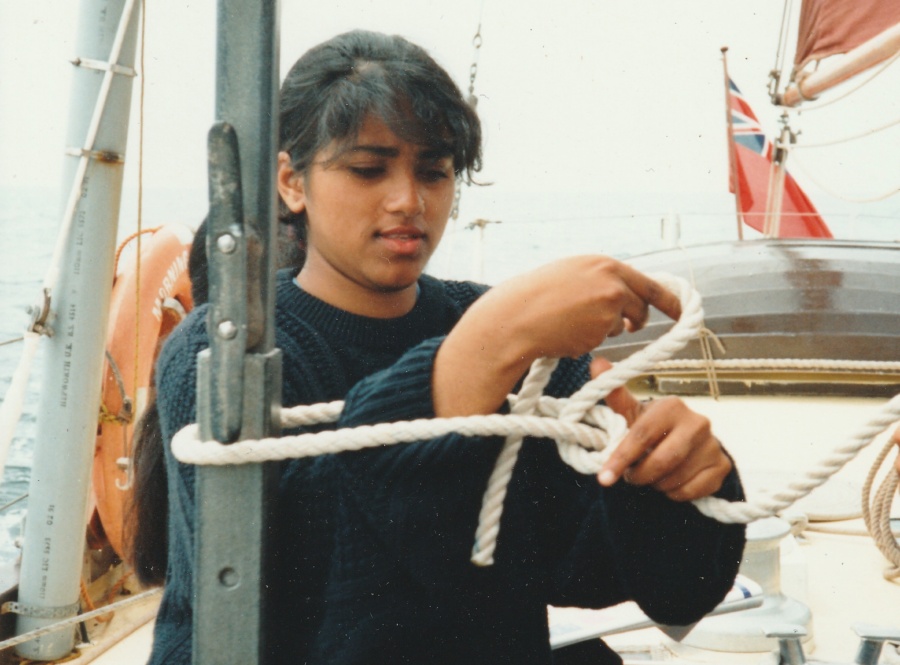
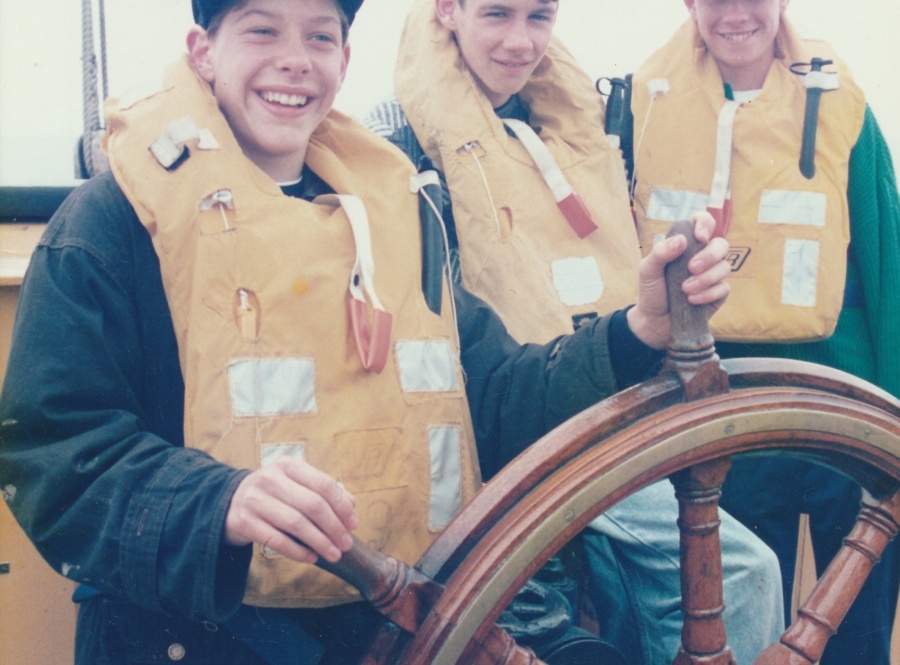
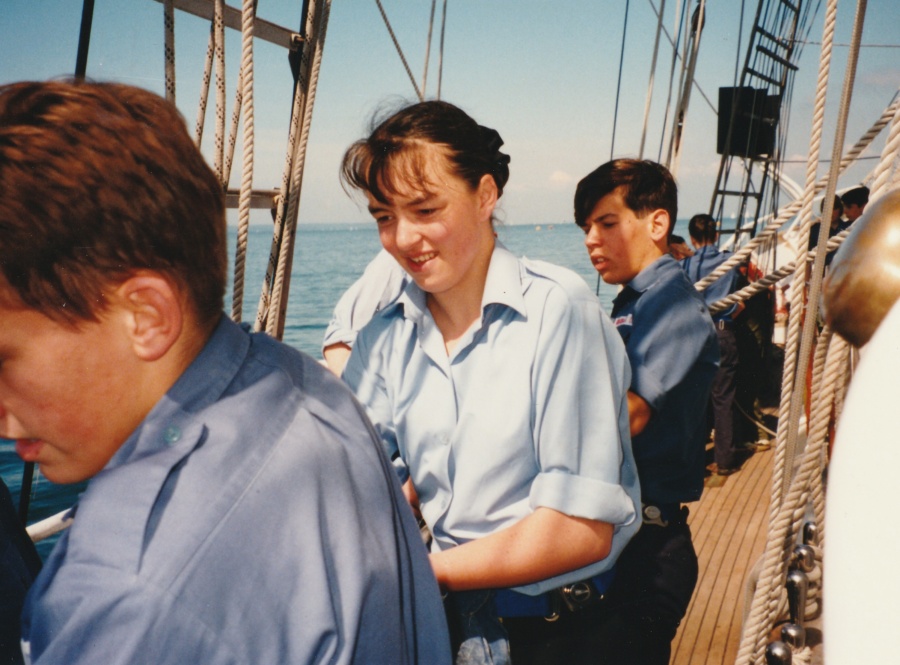
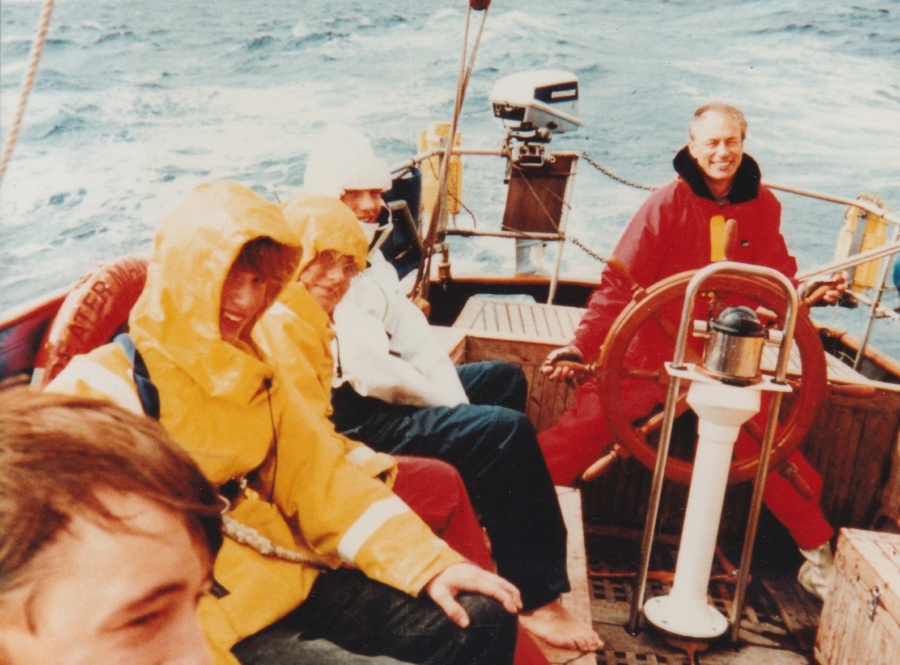
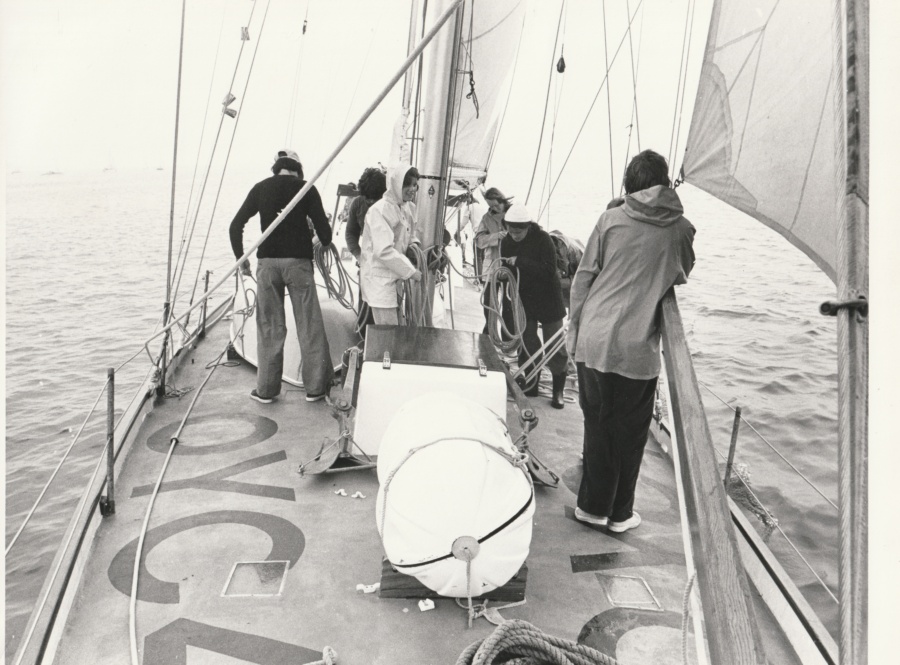
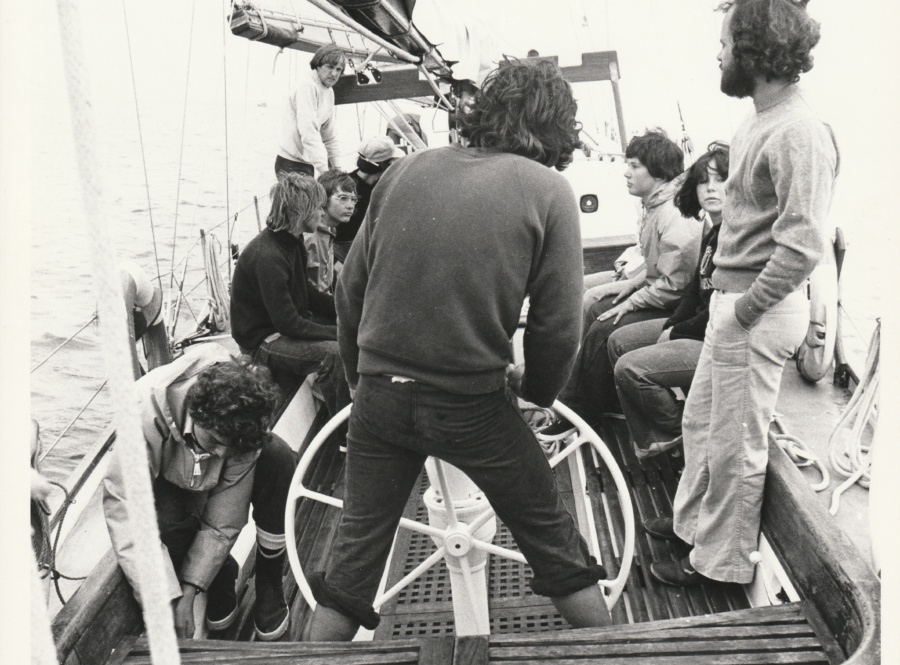
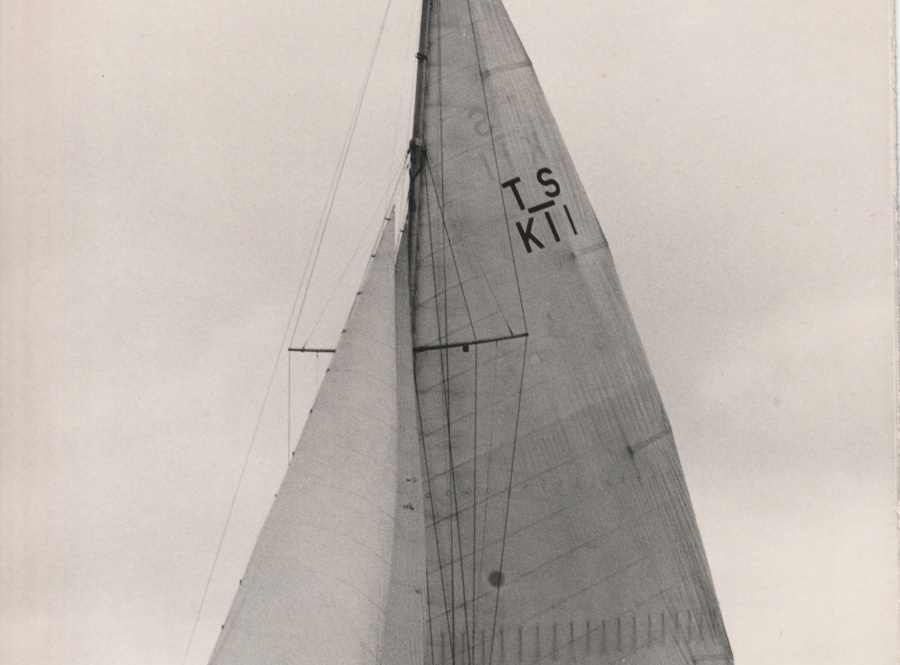
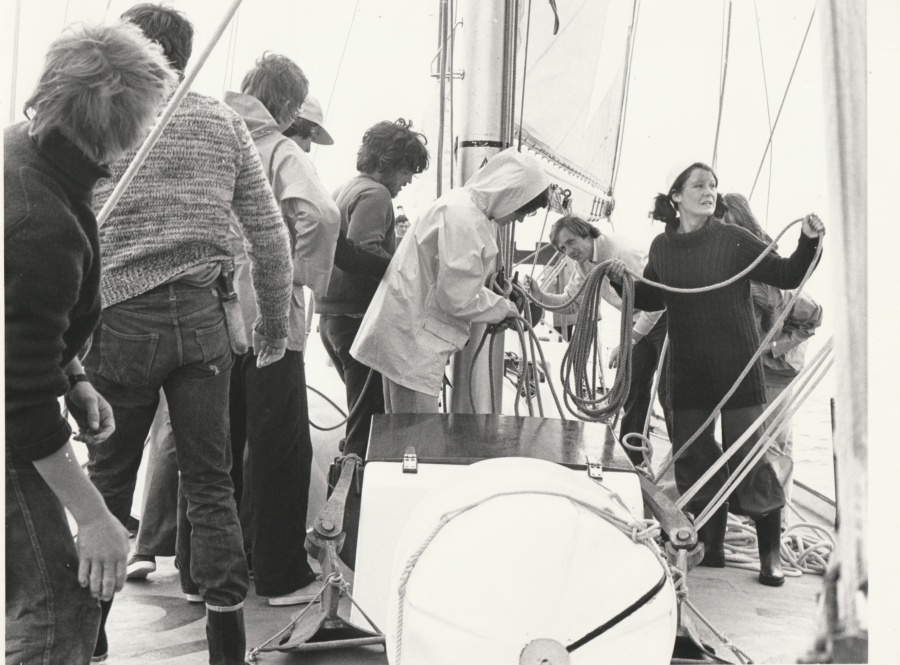
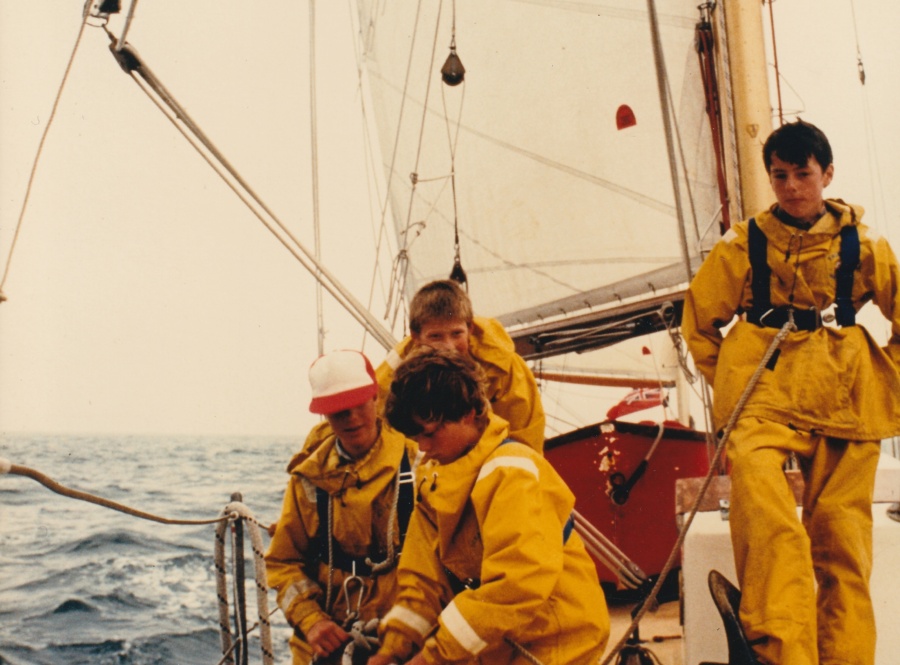
A selection of photographs from the ASTO Archives
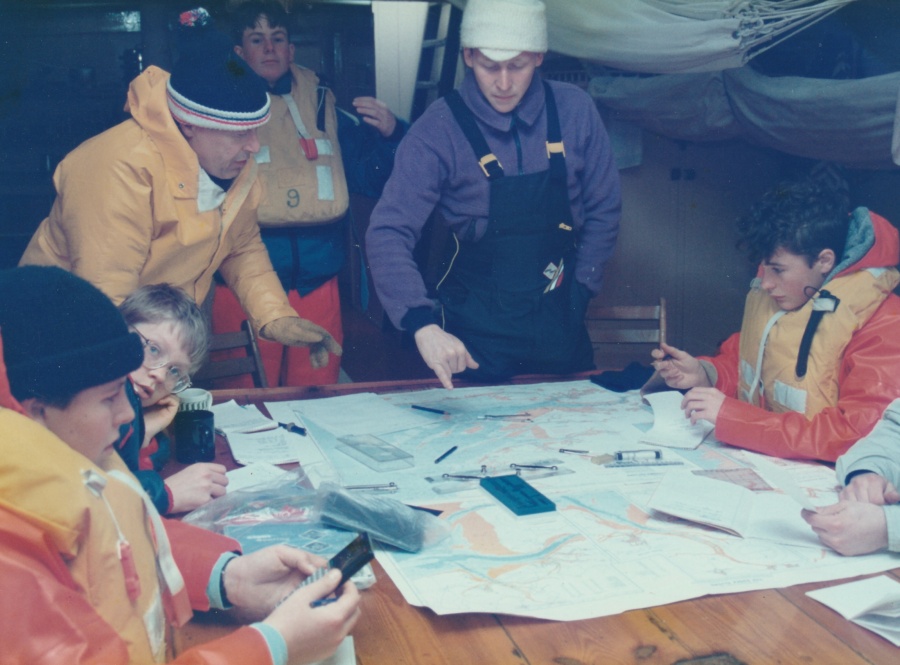
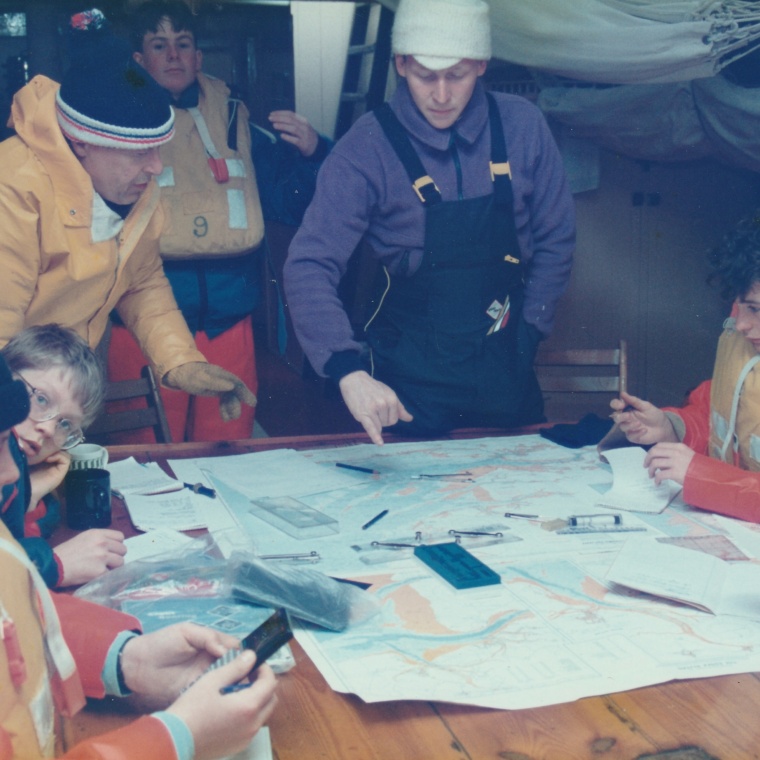
Chart chat around the navigation table
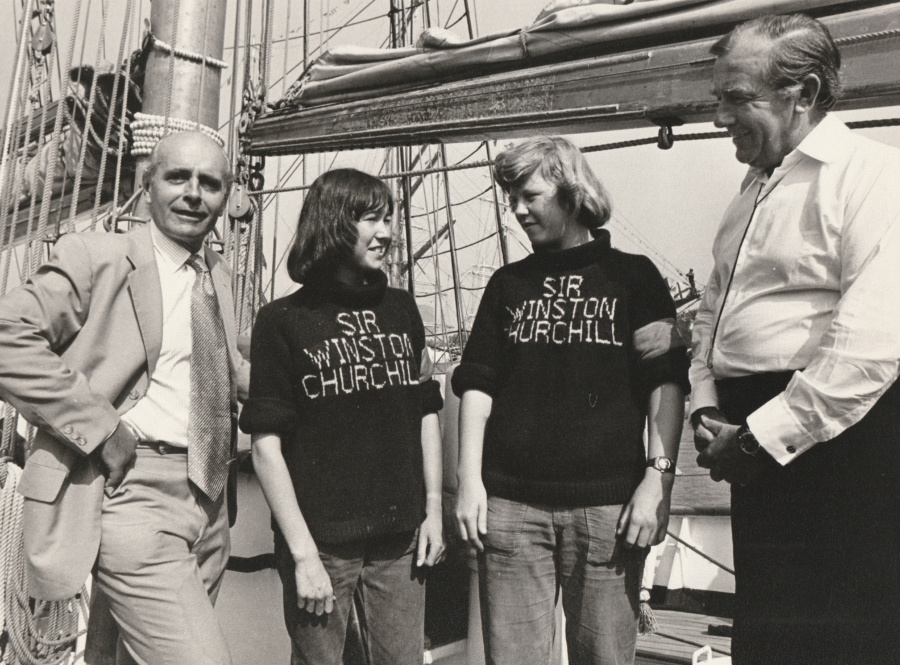
Hammond Innes onboard Sir Winston Churchill
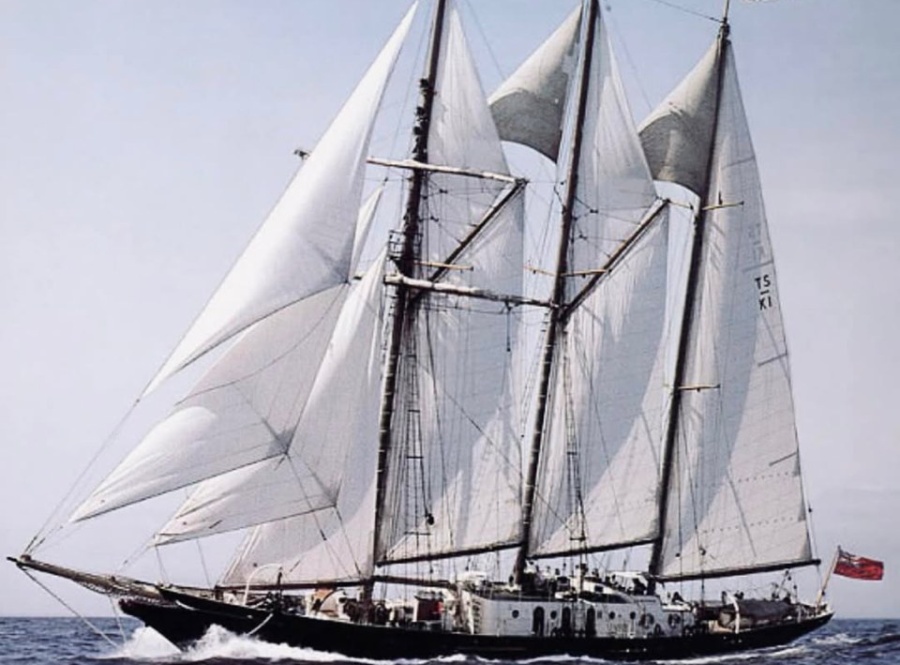
The Sir Winston Churchill schooner
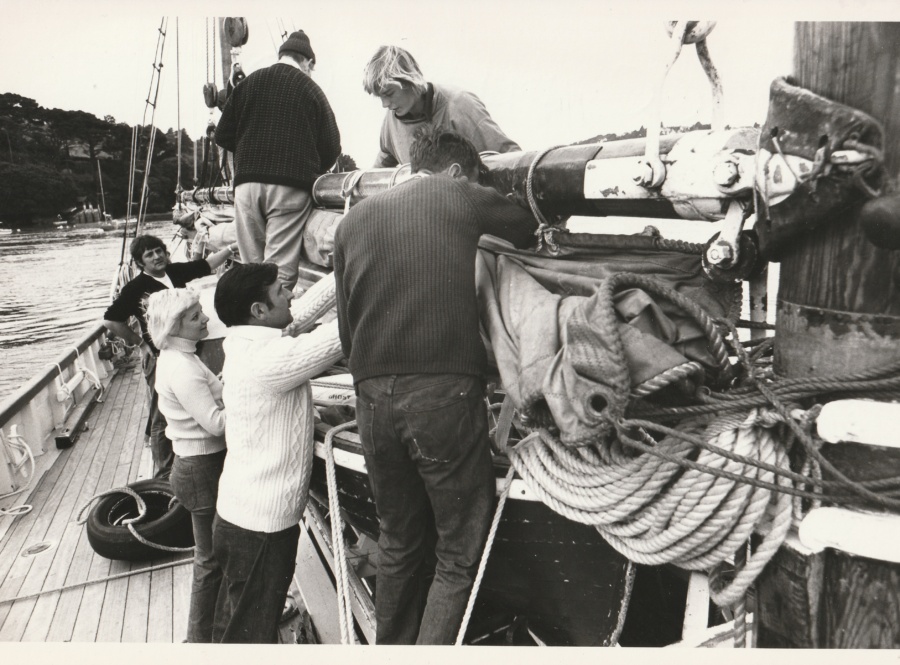
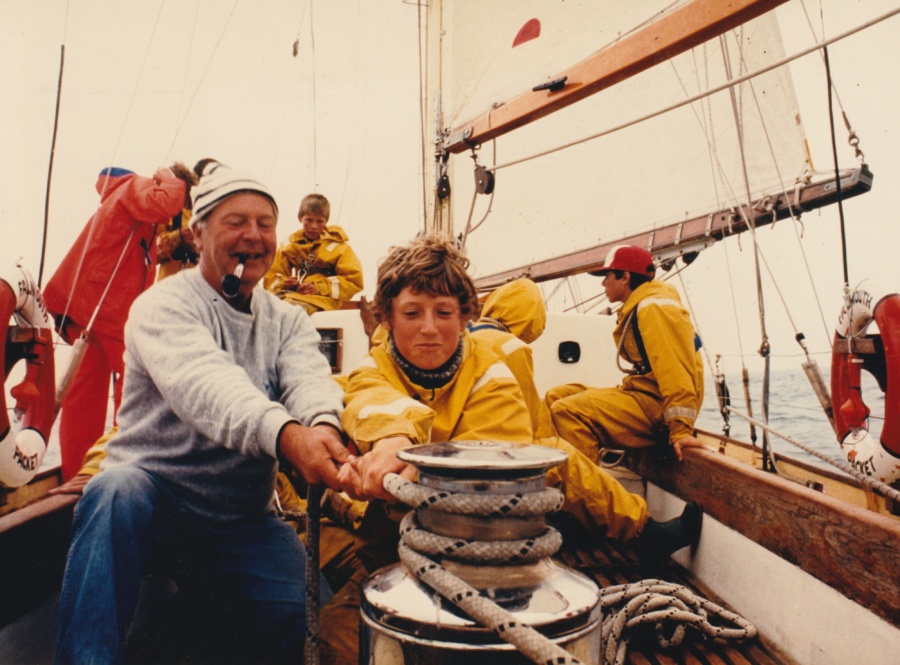
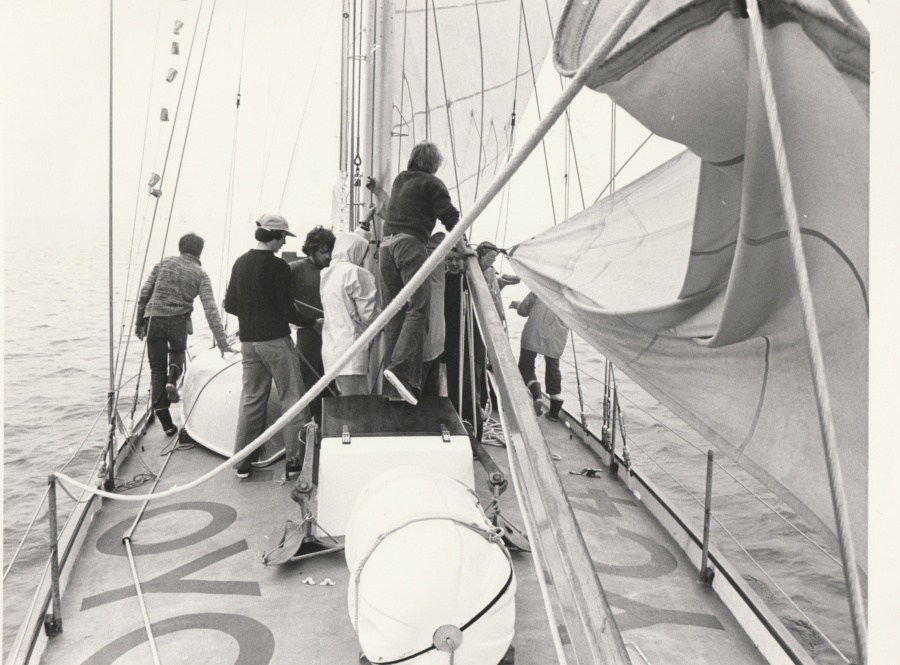
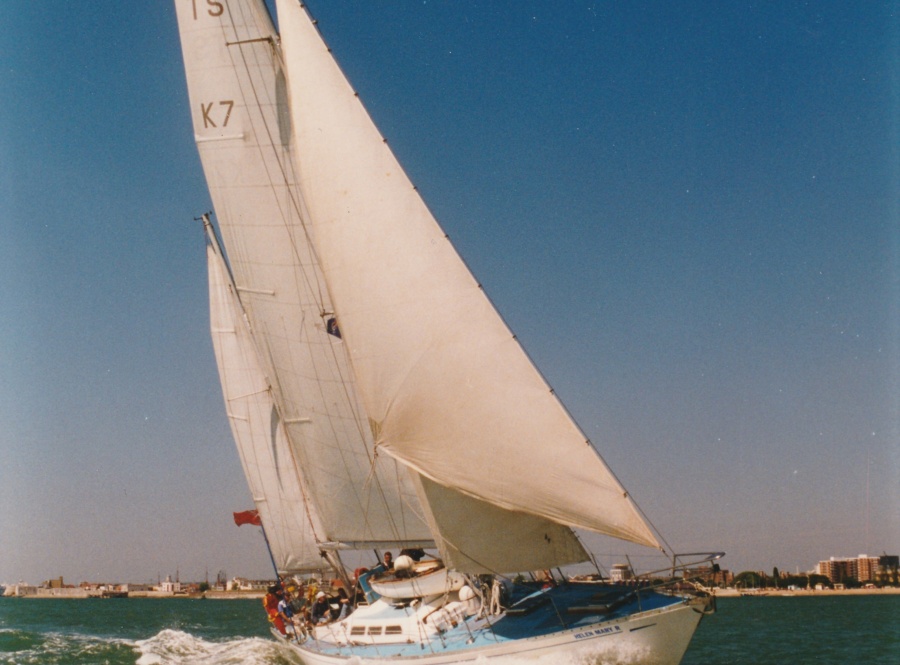
Helen Mary R (Rona Sailing Project)